





You are here

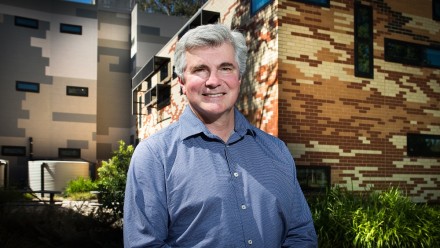
Dr Ho Phi Huynh

Contacts
Dr. Huynh is an academic psychologist who studies virtues and well-being. He typically uses theories and methods from social, health, and positive psychology to understand factors that promote optimal functioning for individuals and societies. For example, he studies how intellectual humility helps people make informed decisions about their health, how patients benefit from having humble clinicians, and how teams can benefit from having humble leaders. Additionally, he examines factors that influence success and well-being, particularly for minority college/university students. Dr. Huynh teaches a variety of content courses including sports, social, health, and positive psychology, and process courses such as research methods and statistics.
He began his appointment at the Australian National University in January of 2024. Previously, he worked as a tenured associate professor of psychology at Texas A&M University - San Antonio. Prior to that, he served as an assistant professor at Armstrong State University (now Georgia Southern University). He received his PhD in Social/Health psychology from the University of California, Riverside where he worked with Dr. Kate Sweeny. He earned his bachelor's of science in psychology from the University of Arizona in Tucson, where he worked with Drs. Stephanie Fryberg and Jeff Stone.
Outside of work, he enjoys spending time with his family (wife Amanda and two kids) and playing/coaching volleyball.
Research interests
Topics
- Humility
- Intellectual humility
- Positive psychology (e.g., awe, self-compassion, gratitude)
- Social comparison
Contexts:
- Health (doctor-patient relationships, vaccination attitudes)
- Nature and climate (climate change attitudes, nature connectedness)
- Sports & human performance
- Parasocial relationships & celebrity admiration
- College/university student success
*He is currently recruiting PhD (HDR) students to join his research team. Here are some topics/projects (non-exhaustive) that he would consider sponsoring. Feel free to contact to him if you are interested.
- Intellectual humility and social comparison/imposter syndrome, in the work place and/or in academic spaces
- Relationship between self-compassion and humility
- Intellectual humility and AI use; for example, attitudes towards doctors/mental health clinician's use of AI
- When/why do people aspire to become more intellectually humble
- Physician/clinician humility and burnout