

Climate economics and policy
Researchers focus on institutional responses to climate change, addressing mitigation and adaptation. Their work encompasses climate policy, international negotiations, legal issues, and aims to inform public debate. They come from various ANU schools, including the Crawford School and the College of Law.
About
Researchers in this group are focused on institutional responses to climate change, covering both reducing greenhouse gas emissions (mitigation) and climate change adaptation.
Research spans domestic and international climate policy and economics, including the choice, design and implementation of climate change related policies. It also includes research on ongoing international climate negotiations, including United Nations Framework Convention on Climate Change (UNFCCC) and the broader realm of international climate policy, governance and politics.
Researchers also cover a broad spectrum of legal topics from planning regimes and climate liability through to an understanding of legal issues, standards and principles relating to the international protection of climate.
Researchers share an active interest in informing policy and public debate. Researchers working in this field hail from a number of ANU schools including Crawford School of Public Policy, including the Centre for Climate Economics and Policy (CCEP), ANU College of Law, School of Regulation and Global Governance (REGNET), including Climate and Environmental Governance Network (CEGNET) and the Fenner School of Environment & Society.
News
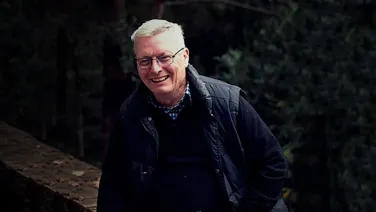
Dr Ian Fry from The Australian National University (ANU) has become the world's first special rapporteur for human rights and climate change, in an appointment made by the United Nations overnight.
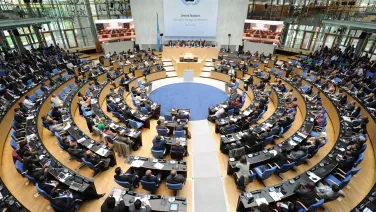
Your guide to the 2021 United Nations Climate Change Conference, also known as COP26, with commentary from ANU academics and students.
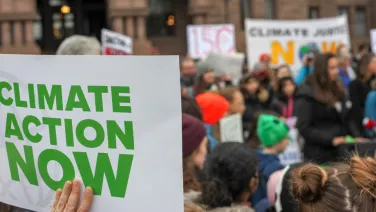
The vast majority of Australian voters support climate action, but their degree of support varies significantly across political divides, a new study shows.